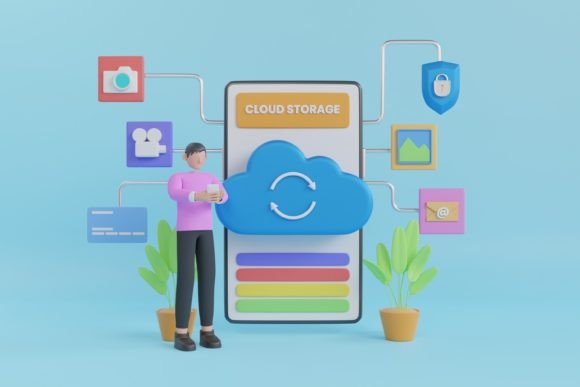
3D Mobile Application for Data Storage: A Modern Solution for Visual and Functional Design Projects
In today’s fast-paced digital world, the way we store and visualize data is constantly evolving. One of the most innovative tools gaining traction among designers and developers is the 3D Mobile Application for Data Storage. This technology allows users to represent complex data structures in a three-dimensional format, making it easier to understand, navigate, and integrate into various design projects.
Whether you're working on web development, app design, UI/UX prototyping, or even social media promotions, a 3D mobile application can provide a fresh perspective and powerful functionality. The ability to download assets in formats like JPG and PNG makes these designs highly adaptable for use across different platforms and mediums.
What Is a 3D Mobile Application for Data Storage?
A 3D Mobile Application for Data Storage is a software solution that enables users to create, manage, and interact with data using 3D visualizations on mobile devices. Unlike traditional flat interfaces, these applications utilize depth, perspective, and spatial relationships to present information in a more intuitive manner.
Such an application might allow you to organize data points as floating objects, folders as virtual shelves, or files as interactive cubes. This approach not only enhances aesthetics but also improves usability by leveraging how our brains naturally process spatial environments.
Key Features and Functionalities
- Visual Organization: Users can arrange data in 3D space, helping to reduce clutter and improve navigation.
- Interactive Elements: Files and folders can be manipulated with gestures such as swipe, pinch, and rotate, offering a tactile experience.
- Customizable Layouts: Many 3D storage apps allow users to personalize their workspace with themes, colors, and object styles.
- Export Options: Assets created within the app can often be exported as JPG or PNG, making them easy to share or embed in other projects.
- Multi-Platform Support: These applications are usually compatible with both iOS and Android, ensuring broad accessibility.
These features make 3D Mobile Applications for Data Storage ideal for professionals who want to bring a new level of interactivity and creativity to their workspaces.
How It Enhances Web and App Development
When building websites or mobile apps, especially those focused on user engagement and experience, having access to a 3D interface can be a game-changer. A 3D Mobile Application for Data Storage allows developers and designers to prototype data-heavy screens with greater clarity and visual appeal.
For instance, if you're designing a dashboard for a financial app, using a 3D layout could help users better grasp trends and patterns at a glance. Or when creating an e-commerce platform, a 3D file system might assist in organizing product categories in a visually engaging way.
- Improved User Engagement: The novelty and ease of interaction with 3D elements can capture attention and encourage exploration.
- Better Information Hierarchy: By placing frequently accessed items closer or larger in the 3D space, you can guide user behavior intuitively.
- Streamlined Prototyping: You can quickly test and iterate on layouts before finalizing the UI/UX design.
This kind of tool is particularly useful during the early stages of a project, where visualization plays a key role in decision-making.
Use Cases Across Different Industries
The versatility of a 3D Mobile Application for Data Storage means it can be applied in multiple industries beyond just tech and design. Here are some practical scenarios:
Education and Training
Teachers and instructional designers can use these applications to create immersive learning modules. Imagine a biology student exploring a 3D model of a cell while accessing related notes and diagrams stored in a 3D file system. The combination of content delivery and organization can significantly enhance comprehension and retention.
Healthcare
Medical professionals may benefit from using 3D storage apps to manage patient records, imaging data, or research findings. Organizing this information in a spatial format can lead to faster retrieval and clearer communication between team members.
Marketing and Advertising
Marketers can leverage 3D designs for social media campaigns. For example, they might create a 3D infographic explaining how a service works, then export it as a PNG or JPG for use in ads or posts. This method can help brands stand out in crowded feeds and engage audiences in new ways.
Entertainment and Gaming
Game developers can use 3D mobile storage tools to simulate in-game inventories or character dashboards. The same logic applies to filmmakers or animators who need to manage large volumes of visual assets efficiently.
Practical Benefits for Designers
For creative professionals, a 3D Mobile Application for Data Storage offers several tangible benefits:
- Enhanced Creativity: Working in a 3D environment opens up new possibilities for layout and presentation.
- Time Efficiency: Quick access to organized data reduces the time spent searching for files, increasing productivity.
- Collaboration Tools: Many 3D apps support cloud-based sharing, allowing teams to collaborate seamlessly on design projects.
- Portfolio Enhancement: Including 3D visuals in your portfolio can showcase technical and creative skills in a compelling way.
Moreover, the ability to export designs in JPG and PNG formats ensures compatibility with most design tools and platforms, eliminating common workflow bottlenecks.
Considerations Before Choosing a 3D Mobile App for Data Storage
While the benefits are clear, there are a few important factors to consider before adopting a 3D Mobile Application for Data Storage:
Device Compatibility
Not all smartphones handle 3D graphics equally well. Ensure the app you choose supports your device's hardware and operating system. Some 3D apps require higher-end processors or specific GPU capabilities to run smoothly.
User Experience
3D interfaces can be overwhelming if not designed carefully. Look for an app that balances innovation with usability. An overly complex layout might confuse users rather than help them.
Storage Requirements
3D models and high-resolution images take up more space than standard 2D files. If you plan to store a large number of assets, check whether the app integrates with cloud services or has efficient compression settings for JPG and PNG exports.
Learning Curve
Some 3D apps come with advanced tools that may require training or tutorials. Consider your team's skill level and how much time you’re willing to invest in mastering the software before committing to it.
Real-World Examples and Scenarios
Let’s look at a few examples of how a 3D Mobile Application for Data Storage can be used effectively:
Scenario 1: UI/UX Designer Creating a Portfolio
A UI/UX designer uses a 3D mobile app to build an interactive portfolio. They organize case studies in a 3D grid, each represented by a cube. When a viewer taps on a cube, it expands to show a detailed view of the project. After finalizing the layout, they export selected visuals as PNG files to include in their online portfolio.
Scenario 2: Marketing Agency Launching a Campaign
A marketing agency creates a 3D mockup of a campaign landing page using a mobile app. They visualize user flow through different sections of the site in 3D, making it easier to identify pain points. Once satisfied, they export banners and posters as JPG for print and digital distribution.
Scenario 3: Developer Testing an App Prototype
A developer builds a 3D data visualization for a weather app. They simulate a globe with temperature zones and wind patterns, allowing users to explore data dynamically. The app is tested on mobile, and promotional materials are exported as high-quality PNG for press releases and social media.
Recommendations for Getting Started
If you're interested in trying a 3D Mobile Application for Data Storage, here are a few tips to get you going:
- Start Small: Begin with simple 3D layouts before moving on to more complex designs. This helps you build familiarity with the app’s tools.
- Experiment with Gestures: Learn how touch controls affect navigation and interaction. Practice rotating, zooming, and selecting elements in 3D space.
- Optimize for Export: Pay attention to image resolution and format options when exporting to JPG or PNG, especially if the visuals will be viewed on smaller screens.
- Seek Tutorials: Most 3D apps have guides or video tutorials to help users learn the basics and unlock advanced features.
By starting with these fundamentals, you’ll be able to harness the full potential of a 3D mobile app without getting overwhelmed by its complexity.
Observations on Future Trends
As mobile hardware continues to improve, so does the feasibility of integrating 3D elements into everyday applications. We’re already seeing trends like augmented reality (AR) and virtual reality (VR) influence how we interact with digital content. A 3D Mobile Application for Data Storage sits comfortably at the intersection of these technologies and traditional design workflows.
With AR integration becoming more mainstream, future versions of these apps might allow users to project their 3D data systems into real-world environments using smart glasses or phone cameras. That means not only organizing data in a 3D space but also interacting with it in a physical context.
Additionally, AI-driven suggestions for layout optimization and data categorization could further streamline the process. Imagine an app that automatically arranges your files based on frequency of use or type of data—this is the next frontier of smart, spatial computing.
Integrating 3D Apps Into Your Workflow
Here’s how you can incorporate a 3D Mobile Application for Data Storage into your existing design or development process:
- Asset Management: Use the app to organize icons, textures, and UI components in a 3D library for quick access.
- Client Presentations: Share 3D previews of your project structure with clients to gain faster feedback and approval.
- Prototyping: Build 3D prototypes of app interfaces or website layouts to explore different design directions.
- Marketing Materials: Export 3D visuals as JPG or PNG for use in presentations, brochures, or social media campaigns.
These integrations can help bridge the gap between conceptual design and functional implementation, especially in collaborative environments.
Common Misconceptions About 3D Data Storage Apps
Despite their growing popularity, many people still misunderstand what 3D Mobile Applications for Data Storage offer. Here are a few myths debunked:
- Myth: They’re Only for Gamers
Reality: While gamers appreciate the immersive aspects, these apps serve a wide range of professionals—from educators to marketers. - Myth: They Require Advanced Technical Skills
Reality: Many modern 3D apps are designed with user-friendly interfaces that cater to beginners and experts alike. - Myth: They Slow Down Devices
Reality: As long as the app is optimized and your device meets the minimum requirements, performance should remain smooth.
Understanding these misconceptions can help you make a more informed decision about whether a 3D Mobile Application for Data Storage fits your needs.
Why Choose a 3D Approach Over Traditional Methods?
Traditional file systems and 2D design tools have served us well for years, but they come with limitations. A 3D Mobile Application for Data Storage offers several advantages over these conventional methods:
- Greater Depth of Understanding: Spatial layouts help users see connections and hierarchies that might be lost in a flat design.
- Increased Accessibility: Interactive 3D elements can be navigated with gestures, which is helpful for users with mobility challenges.
- Future-Proofing Designs: As mobile platforms evolve, 3D-ready tools ensure your work remains relevant and competitive.
Choosing a 3D approach isn’t just about staying trendy—it’s about embracing a more effective and engaging way to manage and present information.
Final Thoughts on Adoption and Learning
Adopting a 3D Mobile Application for Data Storage requires a shift in thinking. Instead of relying solely on linear menus and flat grids, you begin to see your digital workspace as a dynamic environment. This mindset change can unlock new levels of efficiency and creativity, especially in fields where visual storytelling matters.
To learn more about 3D mobile design, start by experimenting with free or trial versions of available apps. Join online communities or forums where users share their experiences and best practices. And don’t forget to practice exporting your designs in JPG and PNG to understand how they translate into real-world usage.
As mobile technology continues to advance, the line between 3D visualization and everyday tasks will blur even further. Those who embrace these changes early will find themselves ahead of the curve, ready to innovate and impress in any design project they tackle.