3D Number Zero: A Versatile Design Element for Modern Projects
Number zero is a symbol with deep mathematical, cultural, and design significance. In the world of 3D modeling and graphic design, the 3D number zero has evolved into a powerful visual tool that can elevate digital and print projects alike. Whether you're creating logos, infographics, animations, or promotional materials, a well-crafted 3D number zero can serve as a focal point, an artistic accent, or a clean and modern identifier.
What Is the 3D Number Zero?
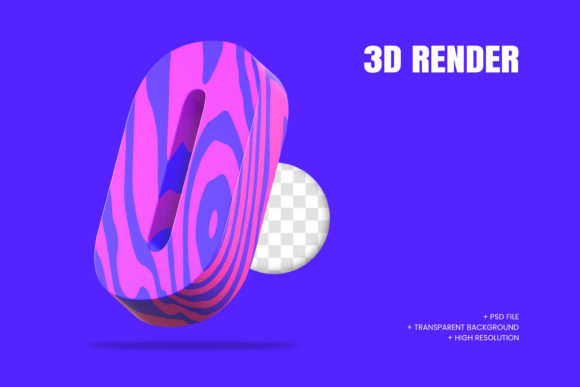
The 3D number zero refers to a stylized representation of the numeral "0" created using three-dimensional design techniques. Unlike traditional 2D graphics, 3D versions offer depth, texture, lighting, and perspective, making them visually striking and adaptable across different media platforms. These elements are commonly used in branding, UI/UX design, architectural visualization, and even motion graphics.
In design software like Adobe Photoshop, Blender, or Cinema 4D, the 3D number zero can be manipulated to create unique shapes—such as hollowed-out forms, geometric patterns, or organic curves. It can also feature realistic materials, from metallic surfaces to glassy finishes, depending on the project's aesthetic requirements.
Why Choose the 3D Number Zero Over Other Options?
When comparing the 3D number zero with other design elements such as text-based numbers or flat vector illustrations, several key advantages emerge:
- Visual Impact: The added dimensionality makes it stand out more effectively in both digital and print environments.
- Customization Potential: You can easily apply textures, gradients, shadows, and reflections to match your brand’s identity or project theme.
- Isolated Use: A 3D number zero often comes as an isolated element, allowing seamless integration into various backgrounds without interference.
- Print Readiness: High-resolution formats such as PSD, JPG, and PNG ensure the file remains crisp and clear at any size, ideal for posters, packaging, or signage.
However, these benefits come with considerations. For instance, while a 3D number zero might be perfect for a tech-themed presentation, it may not be the best fit for minimalist or low-poly design styles where simplicity is key.
Strengths
A 3D number zero brings a range of strengths to the table, especially when you need something bold and memorable:
- Design Flexibility: With source files in formats like PSD, designers have full control over layers, lighting effects, and color adjustments. This flexibility is essential for tailoring the design to specific needs.
- High-Quality Output: Files provided in JPG and PNG formats ensure compatibility across web and print applications, maintaining clarity and detail.
- Time Efficiency: Pre-designed 3D number assets eliminate the need for building complex models from scratch, speeding up the creative process.
- Professional Appeal: Its use conveys a sense of innovation and professionalism, especially in industries like technology, finance, and education.
Tradeoffs and Limitations
Despite its versatility, there are some tradeoffs to consider:
- File Size: High-resolution 3D renderings may result in larger file sizes, which could affect website loading speeds if used online.
- Complexity: While pre-made designs save time, editing them requires intermediate knowledge of design tools to avoid compromising quality.
- Cost Consideration: Depending on the platform or designer, acquiring high-quality 3D number assets may involve additional costs compared to standard vector graphics.
- Cultural Sensitivity: The meaning of zero varies across cultures; in some contexts, it may represent emptiness or void rather than a positive value. Careful context analysis is necessary before implementation.
Best-Fit Situations for the 3D Number Zero
Here are a few scenarios where the 3D number zero shines as a design choice:
- Brand Identity: Companies focusing on minimalism or futuristic themes can use the 3D zero to reinforce their visual language.
- Event Promotion: Launching a new product or service? A 3D zero can highlight milestones like “Zero to One” or “Starting at Zero.”
- Infographics and Data Visualization: When presenting data, a 3D zero can draw attention to starting points or emphasize change over time.
- Architectural and Interior Design: Used as a decorative element in floor plans, room labels, or interactive presentations.
- Web and Mobile UI: As a button, counter, or icon, the 3D zero adds a dynamic touch to user interfaces.
Example Use Cases
Let’s explore how a 3D number zero can be applied in real-world design projects:
- Logo Design: A sleek 3D zero can serve as the core of a logo for a startup in the AI or cybersecurity space, representing a fresh start or a blank slate.
- Product Packaging: In a luxury skincare line, the 3D zero might be used to denote a “zero impurities” promise, rendered in gold or silver for premium appeal.
- Digital Art: Artists often incorporate 3D numbers into abstract compositions, where the zero becomes a symbol of balance or duality.
- UI Components: Developers may utilize the 3D zero in app interfaces to indicate progress reset or initial state, enhancing user experience through visual cues.
Alternatives to the 3D Number Zero
While the 3D number zero is a strong option, it’s important to evaluate alternatives based on your project goals:
Flat Vector Numbers
For clean and scalable designs, especially in responsive web layouts, flat vector numbers are often preferred. They load faster and maintain clarity regardless of screen size. However, they lack the depth and realism that a 3D version offers.
Typography-Based Designs
Using typography to create a zero-like shape (e.g., a stylized font) can be a cost-effective alternative. This approach allows for complete customization but may require more effort to achieve the desired effect, particularly in 3D contexts.
Animated 3D Numbers
If your project involves motion graphics or video content, animated 3D numbers might be a better fit. These provide dynamic transitions and movement, but they typically demand higher technical skills and rendering time.
How to Evaluate the Right Choice for Your Project
Deciding whether the 3D number zero is suitable for your project depends on several factors:
- Project Type: Print vs. digital, static vs. animated.
- Target Audience: Does the audience respond better to realistic visuals or minimalist aesthetics?
- Budget and Time Constraints: Are you looking for a quick solution or willing to invest in custom 3D modeling?
- Technical Expertise: Do you or your team have the ability to edit and optimize 3D assets?
- Design Consistency: Will the 3D zero align with the rest of your visual branding?
Consider these questions before finalizing your decision. If you’re working on a large-scale print campaign and need a versatile, high-quality asset, the 3D number zero isolated in multiple formats like PSD, JPG, and PNG is an excellent resource. On the other hand, if your project leans heavily on performance and speed, a simpler 2D version may be more appropriate.
Practical Tips for Working with 3D Number Assets
To make the most of your 3D number zero, here are a few practical tips:
- Use Layered Files: Work with the PSD format to adjust lighting, colors, and shadows independently for maximum control.
- Optimize for Different Uses: Save separate versions of the zero in PNG for transparency and JPG for background integration.
- Experiment with Angles: Try rotating the zero to find the most visually appealing orientation for your layout.
- Combine with Other Elements: Pair the 3D number with geometric shapes, lines, or icons to enhance its storytelling potential.
- Test in Context: Always preview the 3D zero within the actual design environment to ensure it complements other components.
When to Avoid the 3D Number Zero
Though powerful, the 3D number zero isn’t always the best choice. Here are a few situations where you might want to explore alternatives:
- Low-Bandwidth Environments: If your design will be viewed online by users with limited internet access, consider using a lighter file format.
- Minimalist Design Goals: Projects that emphasize simplicity and elegance may benefit from a 2D number instead of a 3D one.
- Text-Heavy Layouts: In documents or websites with dense text, a 3D number could distract from readability and should be used sparingly.
- Lack of Technical Resources: Without the right software or expertise, manipulating 3D assets may lead to suboptimal results.
Conclusion
The 3D number zero is a compelling addition to any designer’s toolkit. Its ability to blend functionality with creativity makes it a go-to choice for many professionals. By understanding its strengths, limitations, and appropriate use cases, you can determine whether it fits your current project. Remember to assess your goals, audience, and resources carefully to choose the best visual representation for your message.
With a 100 print-ready file format set—including PSD, JPG, and PNG—you gain the freedom to adapt the zero across various mediums. Whether you're designing for a global brand or a local event, the right 3D number can help you communicate more effectively and leave a lasting impression.