Modern Infographic Element: Enhancing Design with Style and Clarity
In today’s fast-paced digital world, visual communication is more important than ever. Whether you're presenting a business report, designing a marketing banner, or crafting an educational poster, clarity and style are key to capturing attention and conveying information effectively. This is where the Modern Infographic Element comes into play—a versatile design tool that brings professionalism, elegance, and modern aesthetics to your creative projects.
What Makes Modern Infographic Elements Stand Out?
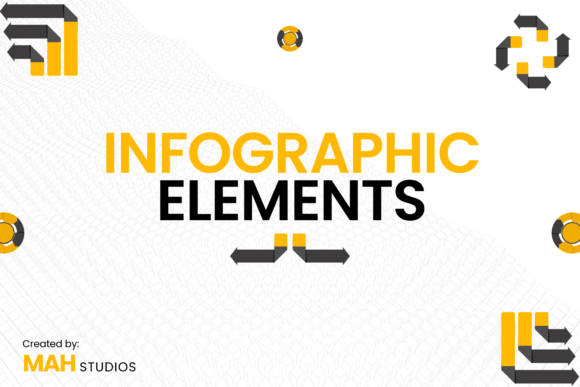
Modern Infographic Elements are a collection of visually appealing and functionally rich graphic components designed for use in various media. These elements include arrows, numbering systems, charts, banners, and more—each crafted to enhance the readability and visual impact of your content. The package typically features:
- 10 sets of infographic arrows, ideal for guiding the viewer's eye through complex data or process flows.
- 8 sets of infographic numbering, offering a clean way to sequence ideas, steps, or rankings.
- 11 sets of infographic charts, perfect for illustrating statistics, trends, and comparisons.
- 8 sets of infographic banners, useful for highlighting key points or calls to action.
- 8 sets of colorful infographic charts, adding vibrancy and engagement to your designs.
- 16 sets of colorful infographic numbering, bringing energy and emphasis to lists or timelines.
All these components are designed with a modern and professional aesthetic, making them suitable for both print and digital platforms.
Key Features You Can Rely On
The strength of Modern Infographic Elements lies in their thoughtful design and adaptability. Here are some standout qualities that make them a valuable asset for designers:
- 3D Design: These elements add depth and dimension to flat layouts, making your visuals more dynamic and engaging.
- High Quality and Resolution: Every graphic is crafted to maintain sharpness and clarity at any size, ensuring your work looks polished on both screens and printed materials.
- Compatibility: They integrate seamlessly with popular design software like Adobe Illustrator and Photoshop, giving you full control over customization and layout.
This compatibility allows for easy editing, resizing, and repositioning, which is essential when tailoring designs to specific brand guidelines or project requirements.
Real-World Applications of Modern Infographic Elements
Whether you're a marketer creating a product presentation or a teacher preparing an educational poster, these elements can elevate your work across multiple domains:
Professional Use Cases
In corporate environments, Modern Infographic Elements help present complex data in an organized and visually compelling manner. For example, when compiling a quarterly sales report, using numbered icons and chart templates ensures that the data is not only accurate but also easily digestible by stakeholders.
Marketing professionals often rely on these assets to create engaging infographics that summarize campaign results or highlight customer testimonials. A well-designed arrow can guide the audience through the flow of a presentation, while a vibrant banner can emphasize key takeaways.
Creative and Digital Projects
Designers working on websites, mobile apps, or social media content benefit greatly from the flexibility of these elements. Colorful chart graphics can be used to illustrate user growth metrics on a dashboard, and sleek numbering sets can format tutorial steps or feature highlights.
Freelancers and hobbyists who don’t have access to custom illustrations can still produce high-quality visuals using pre-made Modern Infographic Elements. These resources save time while maintaining a professional look, which is especially helpful when tight deadlines are involved.
Education and Publishing
Educators can simplify complex topics by integrating these elements into posters or handouts. For instance, a science teacher might use a set of infographic charts to explain climate change patterns, or a history educator could use arrows and banners to show the timeline of significant events.
Bloggers and publishers also find value in these tools when creating shareable content. A blog post about financial planning becomes much more engaging when it includes clear, modern charts and banners that break down investment options or budget categories.
Why Choose Modern Infographic Elements?
There are several reasons why professionals and creatives choose Modern Infographic Elements over generic or outdated alternatives:
- Visual Consistency: All elements follow a cohesive style, ensuring that your final design feels unified and intentional.
- Time Efficiency: Instead of starting from scratch, you can quickly assemble a visually striking layout using ready-to-use components.
- Enhanced Communication: Clear symbols and structured visuals help audiences understand your message faster, reducing confusion and increasing retention.
- Brand Alignment: With customizable color schemes and formats, you can align these elements with your brand identity for a more professional appearance.
These benefits collectively improve the user experience—whether you're sharing insights with clients, students, or readers, your content will be more accessible and impactful.
Practical Considerations When Using These Elements
While Modern Infographic Elements offer great functionality, there are a few things to keep in mind to get the most out of them:
- Relevance Over Quantity: Don’t overload your design with too many elements. Focus on using what enhances the message without distracting the viewer.
- Color Harmony: Even though some sets come in vibrant colors, ensure they complement your overall palette. Too many clashing hues can diminish professionalism.
- Software Proficiency: While these files are compatible with Adobe Illustrator and Photoshop, having a basic understanding of these programs will allow for better customization and integration.
- Contextual Use: Match the element type to the context. For instance, use banners to highlight key phrases in a poster, and arrows to indicate direction in a workflow diagram.
By applying these considerations, you can ensure that your use of Modern Infographic Elements is both effective and aesthetically pleasing.
Examples That Bring It All Together
To give you a clearer picture of how these elements can be applied, here are a few real-world scenarios:
- Startup Pitch Deck: An entrepreneur uses a set of numbered icons to outline their business model, paired with simple charts to showcase market potential and projected revenue.
- Social Media Campaign: A digital marketer creates a carousel ad using colorful banners and arrows to guide users through each stage of the campaign story, boosting engagement and click-through rates.
- Infographic for a Blog Post: A health blogger integrates chart templates and banners to break down nutritional facts and fitness tips, making the content more scannable and visually appealing.
- Academic Poster Presentation: A university researcher utilizes infographic arrows and numbered sequences to explain a multi-step scientific process, enhancing clarity for the audience.
These examples demonstrate how Modern Infographic Elements can be adapted to suit diverse needs and industries.
Getting Started with Modern Infographic Elements
If you’re new to using such design assets, start by identifying the core message of your project. Ask yourself: What do I want my audience to remember? Once you have that, select the elements that best support your narrative.
For instance, if you’re showcasing a step-by-step product development process, the numbered sets and directional arrows would be the most relevant. If you’re summarizing survey results, the chart elements provide a straightforward and attractive solution.
Remember, the goal is to enhance your content—not replace it. Let the elements serve as tools to draw attention to the right parts of your message and improve the overall flow.
Final Thoughts on Elevating Your Designs
Design is about more than just looking good—it’s about communicating clearly and effectively. Modern Infographic Elements bridge the gap between creativity and clarity, allowing you to present information in a way that’s both beautiful and functional. Their variety and quality make them indispensable for anyone serious about design, whether you're producing reports, presentations, or promotional materials.
With options for both standard and colorful variations, you can tailor the look and feel to match your brand or personal style. And since they’re built for Adobe Illustrator and Photoshop, you can edit and manipulate them with ease, making them adaptable to almost any project.
Ready to bring a fresh perspective to your next design? Incorporate Modern Infographic Elements into your toolkit and see how they transform your visual storytelling. If you need guidance or have questions, feel free to reach out to MAH Studios—they’re always happy to help!