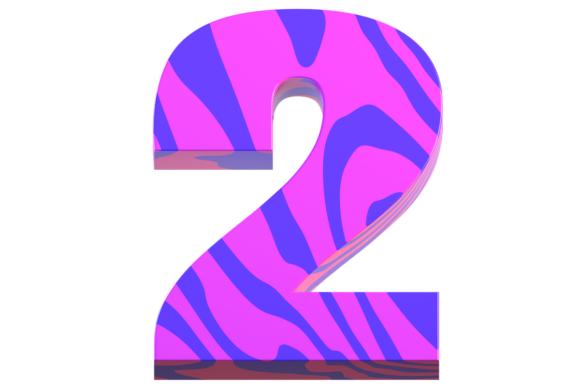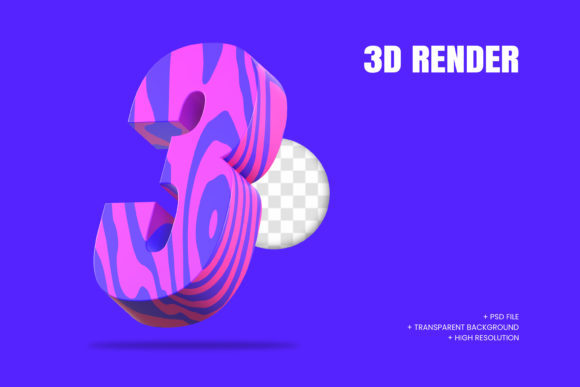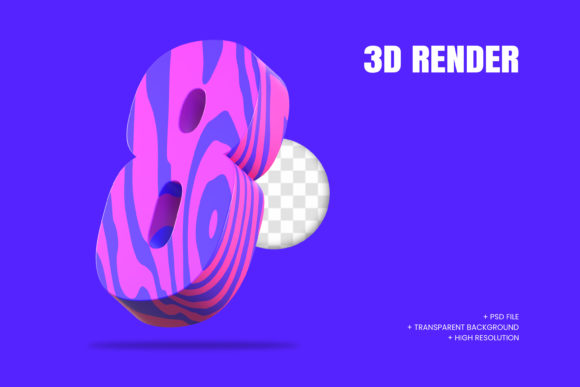
Understanding the Power of 3D Number Design: Why Number 5 Isolated Stands Out
In the world of design, typography plays a crucial role in communication and aesthetics. When it comes to 3D number design, the visual impact is even more pronounced. Whether you're creating marketing materials, digital content, or print designs, using 3D numbers can elevate your project from ordinary to extraordinary. Among all numeric characters, the Number 5 isolated has become a popular choice for designers due to its versatility and striking appearance.
What Is 3D Number Design?
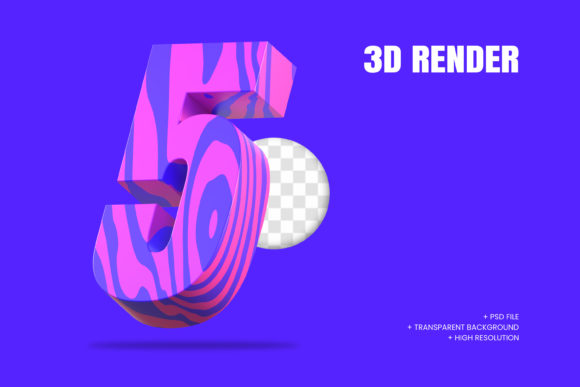
3D number design refers to the creation of numeric characters that appear three-dimensional on a two-dimensional surface. These designs give the illusion of depth through shading, perspective, and layering techniques. Unlike traditional flat numbers, 3D numbers offer a dynamic and eye-catching look that can be used across various industries and applications.
Designers often use specialized software like Adobe Photoshop or Blender to craft these elements. The result is a high-quality visual component that can be easily integrated into projects such as posters, logos, animations, and web graphics. A well-designed 3D number can convey professionalism, creativity, and modernity—making it an essential tool in any designer’s arsenal.
Why Isolating Number 5 Matters
Isolating a specific number, like the Number 5, allows for greater flexibility and control during the design process. When a number is isolated, it means it's separated from other digits or text, making it easier to manipulate in size, color, and orientation. This is especially useful when you need to focus attention on a single numeric character, such as in branding, event promotions, or product packaging.
- Focus: Isolated numbers draw the viewer's eye directly to the main subject.
- Customization: They allow for individual styling without affecting adjacent elements.
- Reusability: You can reuse the same 3D number in multiple contexts or layouts.
The Significance of 3D Numbers in Modern Design
With the rise of digital media and advanced graphic tools, 3D number design has gained immense popularity. These numbers are not only visually appealing but also serve functional purposes in both print and digital formats. In user interface (UI) design, for example, 3D numbers can enhance readability and engagement by adding dimensionality to data displays, counters, or infographics.
In the advertising industry, brands use 3D numbers to highlight important metrics, such as “5 Years of Excellence” or “50% Off.” The Number 5 isolated might represent a milestone, a special discount, or a key statistic. Its prominence in the visual hierarchy makes it ideal for capturing attention quickly.
How 3D Numbers Fit Into Daily Life and Business
You may encounter 3D numbers in many aspects of daily life without even realizing it. From sports jerseys with bold numeric identifiers to animated countdowns on television screens, they’re everywhere. In business, companies leverage 3D numbers to create impactful presentations, infographics, and promotional materials that stand out in competitive markets.
- Marketing Campaigns: Use 3D numbers to emphasize limited-time offers or achievements.
- Product Packaging: Highlight features like “Top 5” or “Rank #5” to attract buyers.
- Event Branding: Incorporate 3D numbers to indicate years, dates, or editions of events.
Practical Uses of Number 5 Isolated in 3D Rendering
The Number 5 isolated is particularly valuable because it’s a commonly used digit across different contexts. Here are some practical ways designers can utilize this 3D element:
- Logo Integration: Add a 3D Number 5 to a logo to signify a company’s ranking or a brand anniversary.
- Web Design: Place the 3D Number 5 in a banner to highlight a sale or feature.
- Print Media: Use it in brochures, flyers, or banners for a modern touch.
- Video Graphics: Integrate the 3D Number 5 into motion graphics for dynamic presentations.
Real-World Examples
Consider a fashion brand celebrating its fifth anniversary. By using a 3D Number 5 isolated in their promotional material, they can create a visually compelling theme that reinforces the milestone. Similarly, a tech startup might use the Number 5 in a 3D format to represent their top-rated product feature or customer satisfaction score.
Another example is in sports broadcasting. During a championship series, the Number 5 might appear in a 3D style to denote the team’s ranking or the player’s jersey number. This technique adds flair and clarity, helping the audience understand the context at a glance.
Creating Your Own 3D Number Design: Tips and Tools
If you're new to 3D number design, the process might seem daunting. However, with the right tools and understanding of basic principles, anyone can create stunning 3D numeric characters. Here are some steps to get started:
- Choose the Right Software: Adobe Photoshop is widely used for 2D to 3D effects, while programs like Blender or Cinema 4D are great for full 3D modeling.
- Select the Number: Start by isolating the Number 5. Make sure it's clean and free of background elements for easy manipulation.
- Apply 3D Effects: Use layer styles in Photoshop or model the number in 3D software to add depth, lighting, and shadows.
- Experiment with Colors and Textures: Enhance the realism of your 3D number by applying metallic, glassy, or matte finishes.
- Export in Multiple Formats: Save your work in PSD, JPG, and PNG files to ensure compatibility across platforms and devices.
Common Misunderstandings About 3D Number Design
Many people assume that 3D number design requires advanced technical skills or expensive software. While professional tools can offer more precision, there are plenty of beginner-friendly options available today. Additionally, some believe that 3D effects are only suitable for certain types of projects. In reality, 3D numbers can be adapted to almost any design context—from minimalist websites to vibrant social media posts.
Another misconception is that using a 3D Number 5 isolated limits creative expression. On the contrary, isolation gives designers the freedom to experiment with shapes, colors, and environments. You could place the Number 5 inside a neon light effect, behind a frosted glass texture, or even floating in outer space—all thanks to the flexibility of 3D rendering.
File Formats and Their Importance
When working with 3D number design, file formats play a significant role in how your design will be used. Here’s a breakdown of why each format matters:
- PSD File: Offers full editability, making it perfect for further customization or collaboration.
- JPG File: Ideal for web use and sharing online due to its compressed size and quality balance.
- PNG File: Best for maintaining transparency and sharp edges, especially when used in digital graphics or overlays.
Having access to 100 print-ready files ensures that you can adapt your 3D Number 5 design for both digital and physical outputs. For instance, a PNG version with transparent background works well for website headers, while a high-resolution JPG is suitable for printed banners or billboards.
Choosing the Right Format for Your Project
Before finalizing your design, consider where it will be displayed. If you plan to print the design, go for vector-based formats if possible, or choose a high-DPI JPG or PNG. For digital use, PNG is often preferred for its support of alpha transparency. The PSD file is invaluable if you anticipate needing to make future edits or combine the number with other design elements.
Enhancing Creativity with 3D Numbers
3D numbers open up a world of possibilities for creative expression. The Number 5 isolated can be transformed into anything from a glowing holographic figure to a stone-carved monument. This level of customization allows designers to match the number to the overall theme of their project, whether it's futuristic, rustic, elegant, or playful.
For educational content, 3D numbers can help simplify complex information. Imagine a science textbook using 3D numbers to illustrate atomic structures or a history lesson highlighting key dates with stylized numeric characters. The 3D Number 5 could represent a pivotal year or event, making the content more engaging and memorable.
Combining 3D Numbers with Other Design Elements
One of the most powerful aspects of 3D number design is how it interacts with other visual components. The Number 5 can be paired with icons, images, or text to create cohesive and meaningful compositions. For example, in a health-related infographic, the Number 5 might be placed beside five healthy habits, each represented by a simple icon. This visual storytelling method enhances comprehension and retention.
Designers can also blend the 3D Number 5 isolated with textures and backgrounds to achieve unique effects. Think of a metallic 5 on a wooden backdrop or a glowing 5 in a dark sci-fi scene. These combinations showcase the adaptability of 3D numbers and their ability to fit into diverse artistic visions.
Technology and the Future of 3D Number Design
As technology evolves, so does the potential of 3D number design. With advancements in augmented reality (AR) and virtual reality (VR), we're beginning to see 3D numbers come to life in immersive environments. A 3D Number 5 might not just sit on a screen—it could rotate in mid-air or react to user input in real time.
Moreover, AI-powered design tools are emerging, allowing users to generate 3D numbers automatically with customizable parameters. These innovations are making 3D number design more accessible than ever before, empowering both professionals and hobbyists to explore new creative avenues.
Staying Ahead in the Digital Landscape
Businesses and creators who embrace 3D numbers early on gain a competitive edge. The Number 5 isolated in a 3D format can be used to launch campaigns, promote milestones, or reinforce branding in a way that feels fresh and modern. As audiences grow more accustomed to rich visual content, using 3D elements helps maintain relevance and visual appeal.
Conclusion
3D number design is more than just a trend—it's a versatile and effective design approach that can transform how we present information and engage audiences. The Number 5 isolated serves as a prime example of how a single digit can carry immense weight in visual communication. Whether you're a seasoned designer or just starting out, understanding the power of 3D numbers will help you unlock new levels of creativity and professionalism in your work.
By leveraging the right tools, file formats, and design principles, you can create stunning visuals that capture attention and convey meaning effortlessly. As technology continues to evolve, the opportunities for using 3D numbers will only expand, making them an essential part of the modern design toolkit.