10 Kitchen 3D Elements for Realistic Design and Creative Inspiration
When it comes to designing digital content, product mockups, or visual guides related to the kitchen, having access to high-quality 3D illustrations can make a world of difference. The 10 Kitchen 3D Elements collection includes stand mixer, hand mixer, blender, bread toaster, citrus juicer, milk frother, kettle, rice cooker, mini oven, and coffee machine — all rendered in crisp PNG format at 3000 x 3000 pixels and 300 DPI. These elements are not just decorative; they serve as powerful tools across various industries and applications.
Bringing Kitchens to Life with Stand Mixers
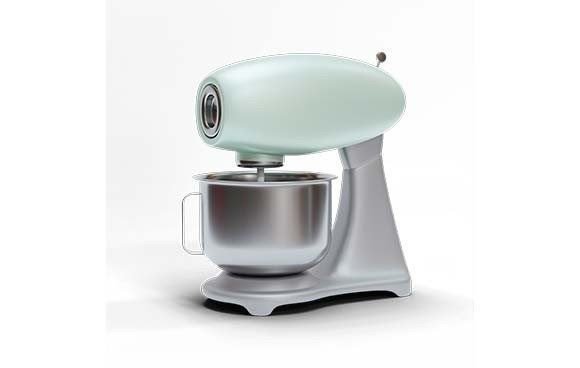
The stand mixer is one of the most iconic appliances in any modern kitchen. Whether you're illustrating a baking tutorial or creating an e-commerce layout for kitchenware, this 3D model adds a professional touch. Its realistic textures and accurate proportions help designers showcase functionality and aesthetics without needing a real-life photo shoot.
For example, a food blogger might use the 3D stand mixer illustration to demonstrate how to mix dough for homemade pizza. The visual clarity allows readers to follow along easily, even if they’re beginners in the kitchen.
Hand Mixer: A Compact Yet Powerful Visual Element
The hand mixer is ideal for those who want to highlight portability and versatility. In marketing materials for compact kitchen gadgets, this element helps convey convenience. It's also useful for educational infographics that explain different types of mixers and their uses.
Designers working on kitchen appliance comparison charts can use the hand mixer to emphasize lightweight features and cordless operation. The 3D rendering makes it easy to integrate into side-by-side visuals for clear contrast.
Blender: Perfect for Smoothie and Puree Illustrations
Whether your project involves health-focused content or cocktail recipes, the 3D blender illustration brings a dynamic energy to the scene. Its transparent jug design allows for showcasing ingredients inside, making it a favorite among nutritionists and chefs alike.
In a recipe app or website, placing the blender next to a list of fruits can instantly communicate the idea of blending fresh ingredients. The level of detail in the 3D model ensures it looks like a real device, enhancing user trust and engagement.
Bread Toaster: A Staple for Breakfast Scenes
The bread toaster is more than just a morning appliance — it’s a symbol of comfort and routine. This 3D element is particularly effective in lifestyle branding, such as promoting a cozy breakfast nook or a minimalist kitchen setup.
Real estate websites often feature this toaster in kitchen renderings to give potential buyers a sense of everyday life in the home. Similarly, interior designers can use it to add authenticity to digital mood boards or client presentations.
Citrus Juicer: Freshness in Every Drop
If you're designing content around healthy living or gourmet cooking, the citrus juicer is a must-have. Its sleek, ergonomic shape fits well in both contemporary and rustic kitchen designs. The transparency of the juice container in the 3D illustration helps visualize the process of squeezing oranges or lemons.
This element is especially popular in wellness campaigns where imagery of fresh-pressed juices plays a key role. It's also great for educational content showing proper juicing techniques or DIY lemonade recipes.
Milk Frother: Elevating Coffee Culture
With the rise of specialty coffee shops and home barista culture, the milk frother has become a go-to gadget for many. The 3D version of this appliance is perfect for blog posts about latte art, café setups, or reviews of coffee accessories.
Graphic designers creating templates for coffee brands can use the frother to enhance the visual appeal of promotional materials. It's also commonly used in step-by-step guides for making cappuccinos or macchiatos at home.
Kettle: Simple, Functional, and Versatile
A kettle may seem basic, but its presence in kitchen scenes is undeniable. From steaming vegetables to brewing tea, this element is a practical addition to any culinary or lifestyle project. The 3D kettle model is detailed enough to show steam effects and water levels, which can be incredibly useful for instructional content.
Interior designers often use kettles in kitchen vignettes to suggest a functional yet stylish space. It’s also a common choice in travel blogs to depict cozy stays in European apartments or Japanese ryokans.
Rice Cooker: A Global Kitchen Essential
For kitchens in Asian cultures or global cuisine projects, the rice cooker is indispensable. The 3D illustration captures the subtle nuances of different models, from traditional electric versions to modern multi-functional ones.
Food delivery platforms or meal kit services can leverage this element when showcasing Asian-inspired meals. It's also a helpful tool for tutorials on how to cook perfect sushi rice or fluffy jasmine rice.
Mini Oven: Small Space, Big Impact
Home cooks with limited counter space will appreciate the mini oven. In digital illustrations, it conveys efficiency and smart storage solutions. The 3D model accurately represents the compact size while still highlighting the internal heating components and timer interface.
Real estate agents targeting urban dwellers or students often include this oven in apartment layouts to emphasize space-saving appliances. It's also a favorite in DIY kitchen organization guides.
Coffee Machine: The Heart of Home Brews
No kitchen design is complete without a coffee machine. Whether it's a simple drip model or a high-end espresso machine, the 3D illustration offers flexibility for various design needs. Its realistic detailing helps users understand how each part functions without prior knowledge of the appliance.
Barista training programs frequently use these images to teach the basics of commercial machines. Meanwhile, lifestyle brands incorporate them into social media posts that promote morning routines and work-from-home comfort.
Choosing the Right 3D Kitchen Elements
Before incorporating the 10 Kitchen 3D Elements into your project, consider the context and audience. For instance, a luxury kitchen brand would benefit more from high-end models, while a budget-friendly retailer might prefer simpler designs. Also, think about the lighting and background to ensure the PNGs blend seamlessly into the overall composition.
Another factor is scalability. Since these files are large (3000 x 3000 pixels), they maintain quality even when resized for print or digital use. However, if you're optimizing for web performance, you might need to compress the images slightly without sacrificing clarity.
How Different Users Can Benefit
- Product Designers: Use these elements to prototype new kitchen appliances or test user interfaces for smart devices.
- Educators: Incorporate them into cooking classes or STEM lessons about thermodynamics, material science, or engineering principles.
- Content Creators: Add depth to recipe videos, blog posts, or Instagram stories by using realistic 3D visuals instead of stock photos.
- Architects & Interior Designers: Showcase kitchen layouts with accurate appliance placements, helping clients visualize their spaces better.
- Marketing Teams: Create engaging ad campaigns for kitchenware brands or food products that rely on specific appliances for preparation.
Strengths and Limitations
One of the biggest strengths of the 10 Kitchen 3D Elements is their adaptability. They can be used in multiple formats — from digital illustrations to printed brochures — without losing quality. Their high resolution and clean edges also make them ideal for layered compositions or close-up shots.
However, there are some limitations to keep in mind. While the PNG format supports transparency, it doesn't allow for animation or interactivity. If your project requires motion graphics or interactive elements, you may need additional tools or software to animate these assets.
Exploring Scenarios Across Industries
- Health and Wellness: Use the blender and citrus juicer in content promoting healthy eating habits or smoothie-based diets.
- Education: Teachers can use the rice cooker and mini oven to explain cooking processes in home economics classes.
- Real Estate: Include the toaster, kettle, and coffee machine in virtual tours to create a relatable, lived-in feel for kitchens.
- App Development: Developers can utilize these elements to build UIs for kitchen apps, such as timers, recipe prompts, or inventory trackers.
- Restaurant Branding: Incorporate the stand mixer and coffee machine in menu visuals or behind-the-scenes content to highlight in-house preparations.
Each of these 3D illustrations can be customized further using graphic design tools like Adobe Photoshop or Illustrator. Adjusting colors, angles, or adding reflections can help tailor the visuals to fit a specific theme or brand identity.
Final Thoughts on Practical Applications
Having access to 10 Kitchen 3D Elements opens up a range of creative possibilities. Whether you're crafting content for a lifestyle blog, developing a product catalog, or designing educational materials, these elements provide a realistic foundation that enhances the overall experience for the viewer.
By understanding how each appliance contributes to different kitchen scenarios, you can choose the right elements to tell your story effectively. Keep in mind the target audience and intended use to maximize the impact of your visuals. With thoughtful application, these illustrations can transform any kitchen-related design from ordinary to extraordinary.