3D Number Two: Creative Use in Design Projects
The Power of the Number 2 in 3D Design
The number two is more than just a numeral—it’s a symbol of duality, balance, and harmony. In the world of 3D design, the number two can be transformed into a visually striking element that adds depth, meaning, and aesthetic value to your work. Whether you're designing for branding, marketing, digital art, or print media, the 3D Number Two offers a versatile canvas for creativity.
What Makes the Number Two Unique?
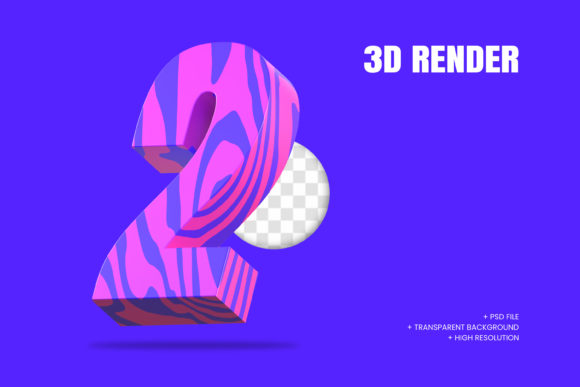
The number 2 is one of the most recognizable numerals due to its symmetrical yet dynamic shape. It curves smoothly from top to bottom, making it ideal for stylization in 3D rendering. Its form allows for both minimalistic elegance and bold, eye-catching designs depending on how you manipulate lighting, texture, and perspective.
In 3D modeling software like Blender, Maya, or Cinema 4D, the number two becomes a powerful asset. You can experiment with extrusion, beveling, shading, and material application to create everything from subtle embossed numbers to futuristic neon-lit displays. This flexibility makes it an excellent choice for designers who want to integrate numeric elements into their visual storytelling.
Creative Applications of 3D Number Two
Here are some ways to creatively use the 3D Number Two across different design fields:
- Branding and Logo Design: Use the 3D number two as part of a logo for businesses centered around partnerships, dual products, or services with two key components. Think twins, duos, pairs—any concept that benefits from the symbolism of two.
- Product Packaging: Incorporate the 3D number two into packaging for limited edition sets, dual-purpose items, or any product that wants to highlight its "second" version or iteration.
- Digital Art and Backgrounds: Create abstract or surreal backgrounds using the number two as a central motif. Play with reflections, shadows, and color gradients to evoke emotion or narrative.
- UI/UX Elements: Add the 3D number two to app interfaces, website headers, or promotional banners to emphasize countdowns, rankings, or sequential content (e.g., “Chapter 2” or “Episode 2”).
- Print Media: From posters to book covers, the number two can serve as a focal point when isolated and stylized in three dimensions. The print-ready file ensures high-quality output for professional printing needs.
Design Styles That Work Well with 3D Number Two
Depending on your project’s tone and audience, here are several styles you might consider:
- Minimalist: A clean, smooth 3D number two with subtle lighting and no extra details. Ideal for modern logos or sleek UI elements.
- Industrial: Render the number with metallic textures, hard edges, and realistic wear to fit into architectural or mechanical contexts.
- Glowing Neon: Give the number a vibrant glow for night scenes, signage, or futuristic themes. Perfect for digital art or social media visuals.
- Handcrafted: Add imperfections like brush strokes, rough textures, or uneven lighting to give the number a personal, artisanal feel.
- Futuristic: Use reflective surfaces, holographic effects, or transparent materials to create a sense of innovation and technology.
Adapting the 3D Number Two for Different Audiences and Goals
One of the strengths of the 3D number two is its adaptability. Here’s how various professionals can tailor it to suit their unique needs:
For Marketers and Entrepreneurs
Marketers often need to convey messages quickly and memorably. The 3D number two can represent milestone events like anniversaries, sales promotions (e.g., “Second Item Free”), or campaign phases (“Phase 2 Launch”). When using the PSD file, layer control gives you the ability to adjust colors and effects without re-rendering the entire image.
Entrepreneurs launching a new product line may use the number two to signify a follow-up offering or a complementary item. For example, if you’re introducing a second flavor in a food brand, the 3D number two can become part of your visual identity in a way that feels fresh and intentional.
For Bloggers and Educators
Bloggers can use the 3D number two as a header graphic for posts titled “Top 2 Tips,” “The 2 Most Common Mistakes,” or “Why Two Is Better.” It helps set expectations while adding visual interest.
Educators might incorporate the number into infographics, lesson plans, or presentations to denote concepts such as “Dual Roles,” “Two-Step Processes,” or “Comparative Analysis.” The JPG file format is great for these scenarios because it maintains quality while being easy to embed in digital documents.
For Freelancers and Hobbyists
If you're a freelancer working on client projects, the 3D number two can be used to demonstrate your versatility in handling numeric assets. Clients love seeing how you can bring something simple like a number to life with dimension and style.
Hobbyists and enthusiasts can enjoy experimenting with different lighting setups and material combinations in their own time. With the PNG file provided, you get full transparency for overlaying the number onto various backgrounds or images.
Practical Tips for Using 3D Number Two Effectively
To ensure your 3D number two looks its best, keep these tips in mind:
- Stay Consistent: If you're using multiple numbers in a series, maintain similar scale, orientation, and lighting to preserve visual harmony.
- Focus on Clarity: Avoid overcomplicating the design. The goal is to make the number instantly recognizable and legible at a glance.
- Use Appropriate File Formats: Choose the right format based on your platform. For web use, PNG is best for transparency; for print, go with high-resolution PSD or TIFF files.
- Test Across Devices: Make sure the number looks good on mobile screens, tablets, and desktop monitors. Adjust resolution and aspect ratio as needed.
- Consider Cultural Context: While the number two is generally positive in many cultures, be aware of any symbolic meanings in your target market that could influence perception.
Real-Life Examples and Project Ideas
Here are a few practical examples of how the 3D number two can elevate your design:
- Event Countdown Poster: Highlight the number two in a large, glowing 3D font to show an event is about to begin—“Only 2 Days Left!”
- Infographic Element: Place the 3D number two next to a statistic or fact to draw attention and reinforce the message.
- Book Cover Design: Use the number as a chapter indicator or to represent a theme involving partnership or contrast.
- Social Media Visual: Feature the number two in a bold, colorful 3D style to promote a blog post or article titled “2 Must-Know Secrets.”
- Merchandise Print: Apply the number two to t-shirts, mugs, or stickers as part of a themed collection or fan-based merchandise.
How to Get Started with Your 3D Number Two Files
Whether you're a seasoned designer or just starting out, having access to a 100 print-ready file package means you can dive right in. These source files include:
- High-resolution PSD for layered editing
- Optimized JPG for quick sharing and display
- Transparent PNG for overlays and digital use
These formats allow you to easily modify the design to match your project’s requirements. Need a white background? Use the JPG. Want to add a shadow or gradient effect? Open the PSD. Looking to place the number over a photo or video? The PNG has got you covered.
Organizing Your Workflow with Source Files
Having all the source files in one package streamlines your workflow. You don’t have to worry about recreating the same design in different formats. Instead, you can focus on refining the look and feel of the 3D number two to align with your brand or project vision.
For instance, if you're preparing assets for a client presentation, you can use the PSD to tweak colors and fonts, then export the final version as a JPG or PNG for inclusion in slides or mockups. This level of control is invaluable when presenting polished, professional results.
Originality Meets Functionality
While the number two is common, how you render it in 3D can set your design apart. Think beyond standard shapes and explore how the number can be morphed into something unexpected—like a floating sculpture, a mirrored infinity loop, or even a character in a story-driven illustration.
Originality doesn’t mean complexity. Sometimes, a simple but clever take on the number two can speak volumes. Consider how the angle of light or the placement of shadows can change the mood entirely. A warm glow can suggest comfort and familiarity, while cold, harsh lighting might imply professionalism or precision.
Combining the Number with Other Elements
Don’t isolate the number too literally. Think about integrating it with other design elements to tell a richer story. For example:
- Pair the number two with a heart to represent love in its second stage or deepening relationship.
- Combine it with arrows or progress bars to indicate movement or progression toward a second phase.
- Place it alongside another number to create a visual hierarchy or comparison (e.g., 1 vs. 2).
By combining the number with relevant icons, text, or imagery, you enhance its communicative power and make it more engaging for your audience.
Final Thoughts on Applying the 3D Number Two
The 3D Number Two isn’t just a decorative element—it’s a tool for expression and communication. Its shape invites experimentation, and its symbolism offers a foundation for meaningful design. By leveraging the available source files, you can ensure the number fits seamlessly into your creative process, whether you're crafting a brand identity, developing educational materials, or simply exploring artistic freedom.
Remember, the key to effective design is knowing your audience and purpose. Use the number two to reflect duality, sequence, or partnership in a way that resonates with them. With the right tools and mindset, you’ll find endless opportunities to make this simple number a standout feature in your work.