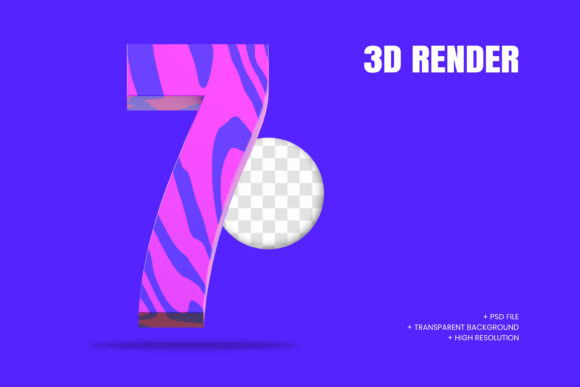
Number 7: A Powerful Symbol in 3D Design and Creative Projects
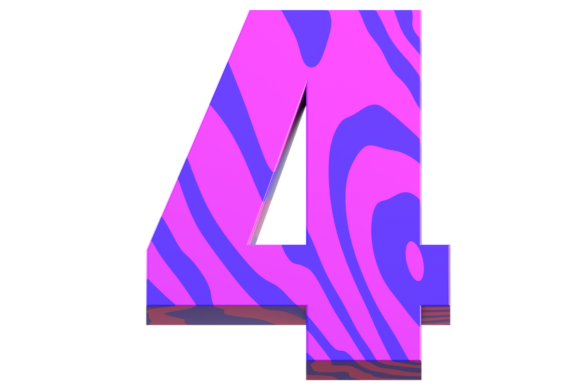
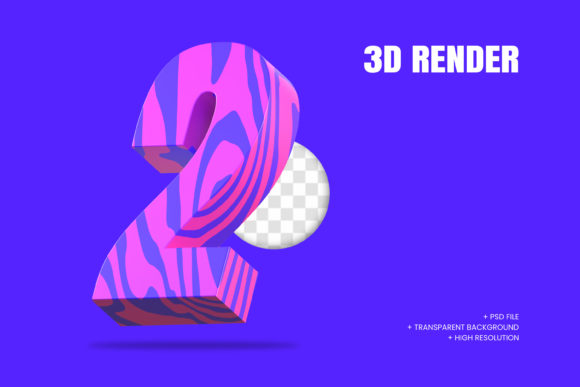
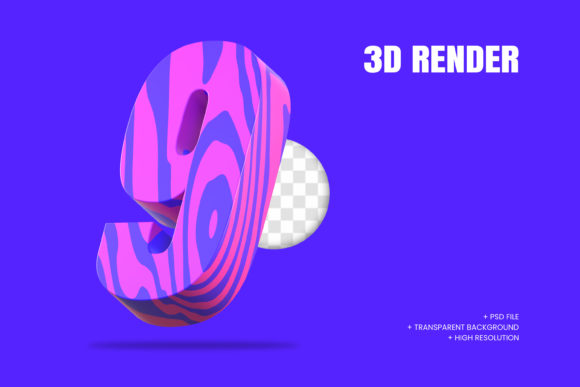
The number 7 holds a unique place in both culture and creativity. From its frequent appearance in literature, religion, and pop culture to its visual appeal in design, the number 7 is more than just a numeral—it’s a symbol of significance. When it comes to 3D rendering, the number 7 offers a compelling combination of aesthetic value and functional versatility. The “Best 3D Rendering Number 7 Isolated” design has become a popular choice for professionals and hobbyists alike who seek high-quality numeric assets that can be easily integrated into a wide range of creative projects.
Understanding the Role of 3D Numbers in Design
In the world of graphic design, architecture, product modeling, and digital art, 3D numbers serve as essential elements. They bring clarity, structure, and an added dimension to visual compositions. Unlike flat designs, 3D numeric characters provide depth, texture, and perspective, making them stand out in any layout. The number 7, when rendered in 3D, becomes a focal point—its slanted form and open top lend themselves well to modern and minimalist aesthetics, while also being adaptable enough to blend into more traditional styles.
The “Best 3D Rendering Number 7 Isolated” file format typically includes multiple versions of the number 7 in different lighting, angles, and materials. This allows designers to experiment with how the element looks in various contexts before finalizing their project. Whether you're creating a logo, signage, or part of a larger scene, having access to a professional-grade 3D number like this can significantly enhance the quality of your work.
Key Characteristics of the Best 3D Number 7
A well-crafted 3D number 7 should have the following features:
- High Resolution: Ensures scalability without loss of detail, ideal for print or large digital displays.
- Isolation: Provides a transparent background for easy integration into other designs.
- Multiple Formats: Includes PSD, JPG, and PNG files to suit different software and output needs.
- Material Variety: Offers options such as metal, glass, plastic, or wood to match the theme of your project.
- Lighting Options: Comes with variations under different lighting conditions to simulate real-world environments.
These characteristics make the number 7 not only visually appealing but also highly usable across platforms. Its clean lines and angular shape are particularly effective in UI/UX design, infographics, and branding where clarity and impact are crucial.
Real-World Applications and Performance
When evaluating the practical use of the number 7 in 3D, it's important to consider how it performs in different scenarios. For instance, in architectural visualization, using a stylized 3D number 7 can add a sense of modernity to building labels or floor plans. In marketing, the number 7 might appear in promotional banners or product packaging, especially if it represents a key feature or limited-time offer.
One notable example is a designer working on a sports-themed poster. By incorporating a bold, metallic 3D number 7, they were able to highlight a player’s jersey number in a way that drew immediate attention. The isolated nature of the asset allowed for seamless placement over dynamic backgrounds without distracting from the message.
Another case involved a small business owner creating custom t-shirts for a summer campaign. The 3D number 7 was used to denote the seventh season of a popular TV show. With the availability of PNG files, the number could be placed directly onto fabric mockups, ensuring the design looked crisp and realistic.
Usability and Flexibility in Different Workflows
The beauty of the 3D number 7 lies in its adaptability. It works well in vector-based software like Adobe Illustrator as well as raster tools like Photoshop. Because it’s often provided in multiple file formats, users aren’t restricted by their preferred platform. The PSD version allows for layer adjustments, while the JPG and PNG files are perfect for quick edits or embedding in presentations and web graphics.
Designers who frequently switch between print and digital media will appreciate the consistency offered by these assets. The 3D number 7 maintains its visual integrity whether it's printed at a large size for a billboard or scaled down for a mobile app interface. This level of reliability makes it a valuable addition to any creative toolkit.
Who Can Benefit Most from Using 3D Number 7?
While the number 7 can be useful for many, certain groups may find it particularly beneficial:
- Graphic Designers: Looking for impactful numeric visuals that can be layered or modified easily.
- Freelancers: Who need ready-to-use assets to meet tight deadlines or client demands.
- Entrepreneurs: Creating branding materials such as logos, packaging, or promotional content.
- Bloggers & Publishers: Wanting to add engaging 3D numbers to infographics or data-driven posts.
- Small Business Owners: Seeking affordable yet professional-looking design elements for products or storefronts.
- Marketing Professionals: Needing eye-catching numbers for campaigns, countdowns, or event promotions.
- Educators & Presenters: Who want to present information in a visually compelling and three-dimensional manner.
Each of these roles benefits from the ability to quickly incorporate a high-quality 3D number into their workflow. The isolation and variety of file types ensure compatibility with most design software, allowing for efficient use across platforms.
Quality and Long-Term Value
When choosing a 3D number asset, quality is paramount. A poorly rendered number can look unprofessional or pixelated, especially when scaled up. The best 3D number 7 assets are created using advanced rendering techniques that mimic real-world textures and lighting. These assets tend to come from experienced creators who understand the nuances of 3D modeling and photorealistic rendering.
Long-term value is another consideration. High-resolution, editable assets (like those in PSD format) allow for future modifications, which is essential in evolving projects. If a client later requests a color change or material adjustment, having access to layers ensures the task is manageable rather than requiring a complete redesign.
Limitations and Considerations
Despite its advantages, the 3D number 7 isn't a one-size-fits-all solution. There are some limitations to keep in mind:
- Context Sensitivity: The style and material of the number must align with the overall design theme. A glossy 3D number may clash with a matte finish background.
- Overuse Risk: Like any design element, excessive use of the 3D number 7 can lead to visual clutter. Use it sparingly where it adds the most impact.
- File Size: High-resolution 3D renders can result in large file sizes, which may affect loading times for web-based applications.
Additionally, while the number 7 is available in many styles, it may not always be the best fit for every project. Numeric characters like 8 or 0 might better suit symmetrical layouts, whereas the number 7’s asymmetry can introduce dynamism or balance depending on the composition.
Practical Recommendations for Implementation
To maximize the effectiveness of the 3D number 7 in your projects, consider the following tips:
- Use Layered Files: Take advantage of the PSD format to tweak colors, shadows, or materials after importing into your design.
- Test Lighting Variations: Try out the different lighting setups to see which one complements your background or scene best.
- Match Branding Guidelines: Ensure the number’s style aligns with your brand identity—whether it's sleek and modern or rustic and handcrafted.
- Combine with Other Assets: The 3D number 7 can be paired with icons, text, or other 3D elements to create cohesive visual themes.
For example, a UX designer developing a fitness app might use the 3D number 7 to indicate progress toward a weekly goal. By placing it against a gradient background and adjusting the lighting via the PSD layers, they can achieve a polished look that resonates with users.
Final Thoughts on Choosing the Right 3D Number 7
As with any design element, the right 3D number 7 depends on the specific needs of your project. Evaluate what kind of message you’re trying to convey and how the number fits into the overall visual strategy. While it’s not always necessary to go 3D, doing so can elevate the professionalism and visual interest of your work—especially when the asset is well-made and versatile.
If you’re looking for a reliable, high-quality 3D number that can be adapted to various uses, the Best 3D Rendering Number 7 Isolated is a solid option. Its inclusion in a package with 100 print-ready files means you’re getting a comprehensive resource that supports long-term creativity and productivity. Just remember to use it thoughtfully, and let the context of your design guide its application.