3D Rendered Chili for Design Project: Enhancing Visual Storytelling in Food and Nature Themes
Designers working on food, agriculture, or nature-related projects often face the challenge of creating visually compelling content that accurately represents their subject matter. When it comes to elements like chilies—whether fresh, organic, or part of a vibrant harvest scene—using real-world photography may not always be feasible due to lighting conditions, angles, or thematic consistency. This is where 3D rendered chili for design project becomes an invaluable asset. These digital assets offer unmatched flexibility, precision, and realism, making them perfect for visual storytelling across industries such as culinary arts, farming, nutrition, and more.
What Is 3D Rendered Chili?
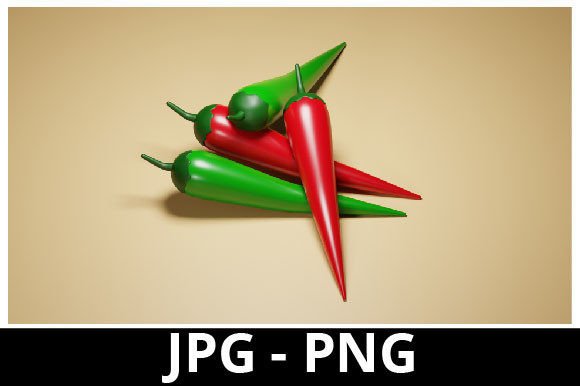
A 3D rendered chili is a high-quality digital image created using 3D modeling software. The process involves building a virtual model of a chili pepper, complete with accurate textures, colors, and shapes, and then rendering it under simulated lighting conditions to produce photorealistic visuals. These renderings can include various types of chilies—such as green chillies 3D, red chillies 3D, or even close-up shots that highlight every detail of the vegetable’s surface.
The ZIP folder typically includes multiple formats like JPG and PNG, allowing designers to choose the most suitable file type depending on the background or context of their project. Whether you need a single isolated chili or a group of peppers arranged naturally on a farm backdrop, these assets are designed to meet diverse creative needs.
Common Challenges Addressed by 3D Rendered Chilies
- Limited access to real samples: Fresh chilies may not always be available, especially during off-seasons or when working remotely.
- Consistency issues: Real-life photos can vary in color, texture, and shape, which might disrupt the visual harmony of a design project.
- Control over composition: Lighting, shadows, and angles can be difficult to manage with physical objects, but with 3D models, everything is customizable.
- Thematic alignment: For projects involving vegetarianism, healthy eating, or organic agriculture, having a realistic chili model helps maintain the intended tone and message.
Why Use 3D Rendered Chili in Your Design Project?
Incorporating 3D rendered chili into your design workflow can significantly enhance the quality and impact of your visuals. Here’s how:
- Photorealistic Quality: High-resolution images of chilies allow for crisp, detailed visuals that look just like the real thing, whether used in print or digital media.
- Flexibility in Usage: From closeup shots highlighting the spiciness of a red pepper to wide-angle scenes showing a chili harvest in a natural setting, 3D renderings adapt to different requirements seamlessly.
- Time and Cost Efficiency: Rather than sourcing and photographing actual chilies, designers can quickly download and use pre-rendered files, saving both time and money.
- Customization Options: You can adjust the position, color intensity, shadow depth, and even the surrounding environment to match your project's theme.
Practical Applications of 3D Rendered Chili Assets
These assets find use in a variety of contexts:
- Cooking and Food Design: Ideal for illustrating recipes, spice blends, or ingredient-focused marketing materials. A closeup of a hot pepper can add flavor and excitement to a cookbook layout or food packaging design.
- Vegetable Farm Marketing: Showcasing a chili harvest or organic farming practices benefits from realistic visuals. A designer could create a banner featuring a basket of freshly picked vegetables including green and red chillies 3D, reinforcing the idea of natural, nutritious produce.
- Education and Nutrition Campaigns: Visual learners benefit from seeing the structure of a chili pepper up close. A well-placed 3D chili in a presentation about spices or plant-based diets can make the topic more engaging and relatable.
- Product Mockups: If you're designing labels for a new line of spicy sauces or organic vegetable products, using 3D renderings ensures the product looks professional and appetizing without needing physical prototypes.
- Interior and Product Design: In kitchenware or grocery store display concepts, a chili model can serve as a key element to convey freshness and flavor.
How Different Users Can Benefit
Depending on the user’s background and objectives, the approach to using 3D rendered chili assets may vary:
Graphic Designers: For those working on branding or editorial layouts, these assets help maintain visual consistency. Imagine designing a magazine spread about global cuisines. A set of chile varieties—green, red, and yellow—rendered in 3D can illustrate the diversity of flavors and colors associated with different regions.
Web Developers: Creating a website for a health-conscious food brand? Adding 3D chilies can elevate the site's aesthetic while clearly communicating the presence of natural, spicy ingredients. With transparent PNG backgrounds, integrating them into web pages is effortless.
Print Designers: In brochures, posters, or educational material, a 3D chili can serve as the focal point. Its vivid color and sharp details make it stand out, helping to draw attention to key messages around cooking, agriculture, or nutrition.
E-commerce Businesses: Online stores selling spices or healthy food products can use 3D chilies to showcase their offerings in a clean, professional manner. These renderings ensure that products are presented attractively, regardless of seasonal availability or supply chain constraints.
Best Practices for Using 3D Rendered Chili Assets
To maximize the effectiveness of 3D rendered chili for design project, consider the following tips:
- Match the Theme: Choose between green chillies 3D or red chillies 3D based on the message you want to convey. Red might suggest heat and boldness, while green could imply freshness and vitality.
- Use Closeups Strategically: A detailed shot of a chili can emphasize its role as a key ingredient. For example, placing a red pepper 3D render in the foreground of a recipe illustration highlights its importance in the dish.
- Combine with Natural Elements: To reinforce the connection with agriculture or nature, pair chili models with other vegetables, soil textures, or foliage. This creates a cohesive and authentic visual narrative.
- Optimize for Platform: Select the appropriate format (JPG for rich color, PNG for transparency) depending on where the image will appear—website, brochure, social media post, etc.
- Test Lighting and Angles: Experiment with different lighting setups to see which best highlights the chili’s features and fits the overall mood of the project.
Real-World Examples of Effective Use
Here are some scenarios where 3D rendered chili has proven to be a powerful tool:
- Healthy Eating Infographics: A designer working on a campaign promoting vegetarian meals might include a 3D chili to represent a spicy, healthy alternative to meat-based dishes.
- Restaurant Menus: A chef launching a new menu item with a unique chili blend can use a 3D render to show the ingredient mix in a clear and appealing way.
- Seed Catalogs and Agricultural Reports: Illustrating the growth stages of a chili plant can educate farmers or consumers about the journey from seed to harvest.
- Food Packaging Design: A company producing organic hot sauce uses a red chilli 3D render on the label to communicate authenticity and quality at a glance.
Considerations When Choosing 3D Chili Models
Not all 3D chili assets are created equal. When selecting a 3D rendered chili for your design project, keep these factors in mind:
- Resolution and Detail: Ensure the model offers enough clarity for your specific use case, especially if it will be featured prominently.
- Color Accuracy: Look for assets that capture the true vibrancy of both green and red chilies, enhancing the natural and organic feel of your design.
- Background Compatibility: Opt for isolated models when you plan to place the chili against a custom background, such as a wooden table or a field of vegetables.
- License Type: Confirm whether the ZIP folder includes rights for commercial use, so you don't run into legal issues later.
- File Formats: JPG is great for backgrounds, while PNG is ideal for overlays or transparent compositions. Having both gives you more creative freedom.
Conclusion
The use of 3D rendered chili for design project opens up a world of possibilities for professionals looking to bring life to their work in the food, agriculture, and design industries. Whether you're focusing on the spiciness of a hot pepper, the nutritional value of a vegetable, or the beauty of a chili harvest in a natural setting, these assets provide the tools needed to communicate effectively and creatively.
By incorporating high-quality, flexible, and customizable chili models into your design toolkit, you can elevate your visual output and better connect with your audience. As demand for authentic and engaging content continues to grow, leveraging 3D render technology is a smart move for anyone aiming to stay ahead in the competitive design landscape.