3D Rendered Oranges: A Vibrant Asset for Creative and Design Projects
In the world of digital design, visual appeal is paramount. Whether you're creating marketing materials, website graphics, or product mockups, high-quality assets can make all the difference. One such asset that has gained popularity among designers is 3D rendered oranges. These digital representations offer a realistic, versatile, and visually striking way to incorporate citrus fruits into your projects. In this article, we’ll explore what 3D rendered oranges are, why they’re valuable in design work, and how to effectively use them across various industries.
What Are 3D Rendered Oranges?
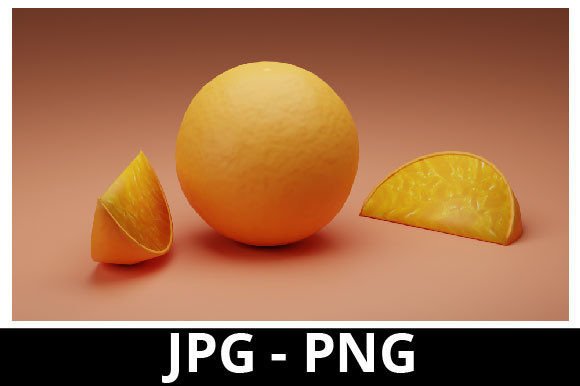
3D rendered oranges are computer-generated images of oranges created using 3D modeling software. These models are then rendered with lighting, textures, and shadows to produce lifelike visuals. The result is an orange that looks as if it were photographed from nature — but with the added flexibility of being fully editable in a digital environment.
A typical ZIP folder containing these assets might include multiple file formats like JPG and PNG, allowing for both background-merged and transparent imagery. The oranges may appear in different forms: whole, sliced, cut, or even in juice form, depending on the designer’s needs. Each image captures the essence of freshness, juiciness, and natural beauty that real oranges possess, making them ideal for food-related content, health campaigns, and lifestyle designs.
The Appeal of Realistic and Organic Imagery
Designers often seek assets that reflect authenticity and realism. 3D rendered oranges provide just that. They mimic the roundness, vibrant color, and organic texture of real citrus fruits. This level of detail is especially important when designing for industries where appearance directly affects consumer perception, such as food and beverage, wellness, and agriculture.
These oranges are not just static images. They can be rotated, scaled, and placed in any setting digitally. For instance, you could position a 3D rendered mandarin in a still-life composition or integrate a slice of orange into a minimalist logo design. Their adaptability makes them a powerful tool for modern creators.
Why Use 3D Rendered Oranges in Design?
There are several compelling reasons to include 3D rendered oranges in your design workflow. Let’s take a closer look at some of the key benefits:
1. High-Quality Visuals Without the Hassle of Photography
- No need for physical samples: Traditional photography requires sourcing actual oranges, arranging them, and dealing with perishable items. 3D renderings eliminate the need for this logistical effort.
- Consistent quality: Every orange in the 3D model maintains uniformity in shape, color, and texture unless intentionally varied for artistic purposes.
- Perfect for isolated shots: With transparent backgrounds (PNG files), you can place oranges seamlessly into any scene or layout without worrying about unwanted elements or lighting issues.
2. Flexibility and Customization
One of the most significant advantages of 3D rendered objects is their editability. You can:
- Change the color of the orange — from bright yellow to deep orange — to match brand aesthetics or seasonal themes.
- Adjust the lighting and shadows to fit specific moods or environments.
- Modify the surface details to emphasize freshness, juiciness, or even blemishes for a more organic feel.
This level of control ensures that the oranges will always align perfectly with the overall design vision, whether it's for a dessert packaging concept, a healthy breakfast ad, or a nature-inspired poster.
3. Time and Cost Efficiency
Photographing oranges professionally can be expensive and time-consuming. Lighting, staging, and post-processing all add up. On the other hand, using pre-rendered 3D oranges allows designers to quickly generate high-quality visuals without the need for a photo shoot. This efficiency is crucial in fast-paced creative environments where deadlines are tight.
Applications Across Industries
3D rendered oranges are incredibly versatile and find applications in a wide range of fields. Here are some notable areas where they shine:
Food and Beverage Marketing
Oranges are synonymous with freshness, health, and flavor. As such, they are frequently used in advertising for products like lemonade, juices, and breakfast cereals. A 3D rendered orange can be placed next to a glass of freshly squeezed juice or incorporated into a bottle label design to highlight the product's natural ingredients.
Health and Wellness Campaigns
Given their association with vitamin C and natural nutrition, oranges are a staple in health-focused content. Designers working on campaigns related to immunity, diet, or fitness can leverage these assets to create informative and appealing visuals. For example, a infographic showing the nutritional value of citrus fruits can feature 3D oranges to draw attention and enhance engagement.
E-commerce and Product Packaging
Online retailers and packaging designers often rely on photorealistic images to showcase their products. 3D oranges can be used to demonstrate how a fruit appears in its packaging or how it fits into a larger grocery arrangement. Since the oranges are already clean and well-lit, they help maintain a professional look across digital storefronts.
Interior and Lifestyle Design
Adding a bowl of juicy, round oranges to a kitchen scene or placing a single citrus fruit on a coffee table can instantly convey warmth and vitality. These images are perfect for illustrating cozy home settings, highlighting fresh ingredients in recipes, or enhancing the ambiance of virtual interior design presentations.
Education and Infographics
3D oranges also serve educational purposes. They can be part of diagrams explaining plant biology, the anatomy of citrus fruits, or even vitamin sources in a balanced diet. Because they’re detailed yet customizable, they make excellent tools for both print and digital learning materials.
How to Choose the Right 3D Rendered Orange Assets
When selecting 3D oranges for your project, consider the following factors to ensure they meet your needs:
1. Image Quality and Resolution
Look for assets with high-resolution JPG and PNG files. These should have sharp edges, realistic textures, and accurate lighting. If the oranges appear pixelated or flat, they may not deliver the desired impact in professional designs.
2. File Format Variety
Having access to both JPG and PNG versions gives you more creative freedom. JPGs are great for standard layouts, while PNGs allow for transparency, which is essential when integrating oranges into complex compositions or minimalistic designs.
3. Style and Theme Relevance
Consider the tone of your project. Do you want something realistic and natural, or perhaps something more stylized and colorful? Some 3D oranges are designed to look hyper-realistic, while others lean towards illustrative or cartoonish styles. Make sure the chosen style aligns with your overall design theme.
4. Object Versatility
Check if the ZIP folder includes variations such as full oranges, slices, cut pieces, or juice droplets. Having these options means you can easily adapt the asset to different scenes or use cases without needing additional resources.
Common Misconceptions About 3D Rendering
Despite the growing popularity of 3D rendering, there are still misconceptions that surround the technology. Let’s address a few of them:
It’s Only for Experts
Many people believe that using 3D assets requires advanced technical skills. While creating 3D models from scratch does demand expertise, using pre-rendered oranges is accessible to beginners. Most assets come ready-to-use in common graphic design software like Photoshop or Illustrator, requiring only basic editing knowledge.
3D Renders Look Artificial
Early 3D renderings did sometimes look stiff or unrealistic. However, advancements in rendering technology have made it possible to create highly detailed, natural-looking fruits. Today’s 3D oranges can capture subtle nuances like skin texture, juice oozing, and soft shadows, making them indistinguishable from real photographs in many cases.
They Don’t Belong in Minimalist Designs
Some assume that 3D oranges are too bold for simple or minimalist projects. In reality, they can be adjusted to suit almost any aesthetic. A single, clean orange on a white background can embody simplicity and elegance, while a group of oranges in varying colors and positions can add dynamic interest to a design.
Practical Tips for Using 3D Oranges in Your Projects
Here are some tips to help you get the most out of your 3D rendered oranges:
1. Combine with Other Natural Elements
To create a cohesive and believable scene, pair oranges with complementary elements like leaves, water droplets, or wooden surfaces. This helps reinforce the natural and healthy vibe associated with citrus fruits.
2. Play with Composition
Experiment with placement, size, and angles. A close-up shot of a juicy orange slice can evoke taste and texture, while a wider view might focus on abundance and freshness. Try layering oranges behind or beside other objects to build depth and dimensionality.
3. Highlight Key Features
Use zoom or spotlight effects to draw attention to the fruit’s qualities — such as its sweet aroma, vibrant color, or the slight sheen of moisture on its peel. These small touches can significantly enhance the emotional connection your audience feels toward the design.
4. Match Brand Identity
If you’re designing for a company, ensure the oranges align with the brand’s color palette and visual language. Adjust hues slightly if needed to maintain consistency and professionalism.
3D Rendered Oranges in Modern Design Trends
As design trends evolve, the use of 3D assets continues to rise. Current trends favor organic shapes, vibrant colors, and natural themes, all of which are embodied by 3D oranges. Whether it’s for a social media campaign promoting a new line of healthy snacks or a blog post about summer beverages, these assets are adaptable and timely.
Moreover, the trend toward minimalism in web and app design makes 3D oranges particularly useful. A single, well-placed orange can become a focal point, symbolizing freshness and simplicity without overwhelming the viewer. This balance is key to engaging users and communicating messages effectively.
Conclusion
3D rendered oranges are more than just eye-catching visuals; they are functional, flexible, and relevant across a broad spectrum of design projects. From branding and e-commerce to education and lifestyle illustration, these assets bring the essence of nature into the digital realm. Their ability to represent health, freshness, and natural beauty makes them a go-to choice for designers aiming to connect with audiences through compelling imagery.
By choosing high-quality 3D oranges from a ZIP folder that includes JPG, PNG, and multiple object types, you gain access to a versatile toolkit. Whether you're a beginner learning the ropes of digital design or an experienced creator looking for efficient resources, 3D oranges offer a solution that is both practical and inspiring.
Next time you’re working on a design project involving citrus, consider reaching for a 3D rendered orange. It might just be the perfect touch you’ve been searching for.