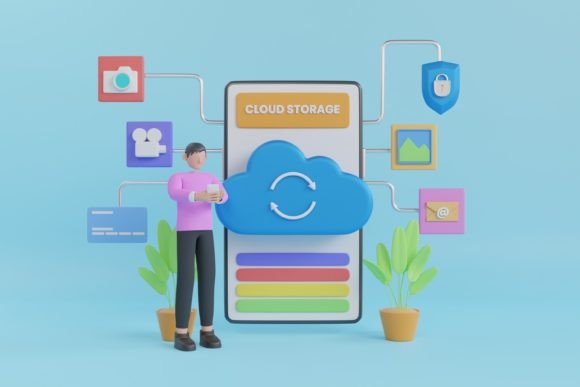
3D Security Data Protection Design
When it comes to visualizing digital safety in a compelling way, the 3D Security Data Protection design offers a fresh and innovative approach. This design concept is not just about aesthetics; it’s a powerful tool for conveying trust, security, and modernity across various platforms and mediums. Whether you're working on web development, app interfaces, posters, or social media promotions, this 3D design can help your project stand out while clearly communicating the message of data protection.
A Visual Symbol of Digital Safety
The 3D Security Data Protection design uses layered elements, geometric shapes, and color gradients to represent the idea of safeguarding information. Its three-dimensional structure gives it depth and dimension, making it visually striking and easy to interpret at a glance. The design often features shields, locks, and abstract representations of encrypted data — all rendered in a clean, futuristic style that aligns with contemporary design trends.
This kind of imagery resonates well with audiences who are increasingly concerned about online privacy and data breaches. It speaks to both professionals and everyday users by combining technical symbolism with accessible visuals. As a result, it feels authoritative yet friendly, which is crucial when building trust around digital products or services.
Design Characteristics That Make It Stand Out
- Layered Elements: The use of multiple layers in the design mimics the complexity of real-world data security systems, such as firewalls, encryption, and access controls.
- Modern Color Palette: Typically featuring shades of blue, green, and metallic tones, the color scheme evokes feelings of reliability and innovation.
- Dynamic Perspective: The 3D effect adds movement and realism, drawing the viewer's eye and reinforcing the idea of multi-level protection.
- Minimalist Style: Despite its detailed composition, the design maintains a sleek and uncluttered look that works well in both high-contrast and low-light environments.
Where to Use the 3D Security Data Protection Design
One of the biggest advantages of this design is its versatility. You can integrate it into a wide range of projects without compromising their tone or purpose. Here are some common applications where the 3D Security Data Protection design shines:
Web and App Interfaces
For websites and mobile apps focused on financial services, healthcare, or cybersecurity, using this design can enhance user confidence. Place it near login areas, data input fields, or within dashboards that handle sensitive information. The 3D aspect ensures it remains noticeable without being intrusive, helping users quickly associate it with secure interactions.
UI/UX Projects
In user interface design, clarity is key. The 3D Security Data Protection design can be used to highlight security features or guide users toward safe actions. For example, if you're creating an e-commerce checkout process, incorporating this design next to payment confirmation buttons can reinforce trust and reduce hesitation.
Print Materials
Brochures, whitepapers, and product packaging benefit from the bold presence of this design. Its 3D qualities work especially well in print when using spot varnishes or embossing techniques. For businesses selling security software or hardware, placing the design on packaging or promotional flyers can immediately communicate the value proposition of the product.
Social Media and Banners
On platforms like Instagram, LinkedIn, or Facebook, attention spans are short. The 3D Security Data Protection design helps create eye-catching banners and posts that convey a sense of urgency or professionalism. Use it in campaign graphics for IT services, anti-phishing awareness, or identity protection programs. Its clean lines and vivid colors ensure it stands out even in scrolling feeds.
How This Design Influences Brand Perception and Engagement
Visual communication plays a major role in how people perceive brands. The 3D Security Data Protection design can subtly shape audience sentiment by associating your brand with safety, transparency, and technological advancement. In industries where trust is paramount — such as finance, healthcare, and SaaS — these associations are invaluable.
From a branding perspective, consistent use of this design across touchpoints (like your website, logo, and email templates) can strengthen recognition. Users begin to see the same visual motif and instantly understand what your brand represents. This builds familiarity and reinforces credibility over time.
Additionally, the design contributes to visual hierarchy, allowing you to draw attention to critical messages. For instance, using it in headlines or call-to-action sections can make those parts more prominent and trustworthy. When combined with clear, concise text, it enhances readability and ensures your message isn’t lost in visual noise.
Designers’ Take: Real-World Value Over Style
As someone who has worked with countless design assets, I find the 3D Security Data Protection design particularly useful because it doesn’t rely on gimmicks. It’s grounded in practical application. I’ve seen it used effectively in corporate presentations, infographics, and even as part of a company’s internal training materials. Each time, it added a layer of seriousness and clarity that flat designs couldn’t achieve.
Another benefit is how it complements other design elements. When paired with a premium font like Montserrat or Lato, it creates a harmonious balance between form and function. These fonts are sans serif and modern, which aligns well with the tech-forward personality of the design. Avoid pairing it with overly decorative or script fonts, as they may clash with the clean, professional vibe it brings.
Practical Guidance for Using the Design
If you’re considering using the 3D Security Data Protection design in your next project, here are some tips to help you evaluate and implement it effectively:
- Assess Project Needs: Determine whether your project requires a strong visual symbol of security. If yes, consider how the design can support your overall messaging strategy.
- Test Font Pairings: Since the design includes JPG and PNG files, it can be used alongside any typeface. Test combinations with different display fonts to see which ones best reflect your brand’s tone and style.
- Review Included Styles: Check if the file set includes variations suitable for different contexts — like dark mode backgrounds, light themes, or scalable versions for high-resolution screens.
- Consider Readability: Even though the design is highly visual, ensure that it doesn’t overpower the text or obscure important information. Keep it as a supporting element rather than a distraction.
- Evaluate Commercial Licensing: If your project is for-profit or commercial use, confirm that the license allows for such applications. Many premium design assets require specific permissions for extended usage.
Examples of Successful Applications
Let’s say you’re launching a new cybersecurity startup. You could use the 3D Security Data Protection design in your logo to immediately signal the nature of your business. On your landing page, place it near your mission statement or feature highlights to add visual weight and meaning.
For bloggers or content creators discussing topics like online privacy or digital safety, this design can serve as a background or header graphic in articles. It adds a professional edge and helps break up dense blocks of text without overwhelming the reader.
Entrepreneurs in the fintech space might use it in promotional emails or onboarding processes to reassure users that their transactions are protected. Marketers, too, can leverage it in ad campaigns targeting small businesses looking for reliable cloud storage solutions.
Final Thoughts on Choosing the Right Design Asset
Choosing the right design asset is about more than just picking something that looks good. It’s about selecting visuals that tell a story, build trust, and align with your brand’s values. The 3D Security Data Protection design does exactly that — it conveys strength and stability through its form, while remaining adaptable enough to suit a variety of needs.
Before finalizing its use, always test it in context. Overlay it on mockups of your intended layout to see how it interacts with colors, spacing, and typography. And remember, less is often more. A single, well-placed instance of the design can be more effective than multiple uses that dilute its impact.
With JPG and PNG formats included, this design is ready to go wherever you need it. Whether you're crafting a logo, designing an infographic, or building a responsive website, the 3D Security Data Protection design offers a reliable and impactful solution for communicating digital safety in today’s fast-paced world.